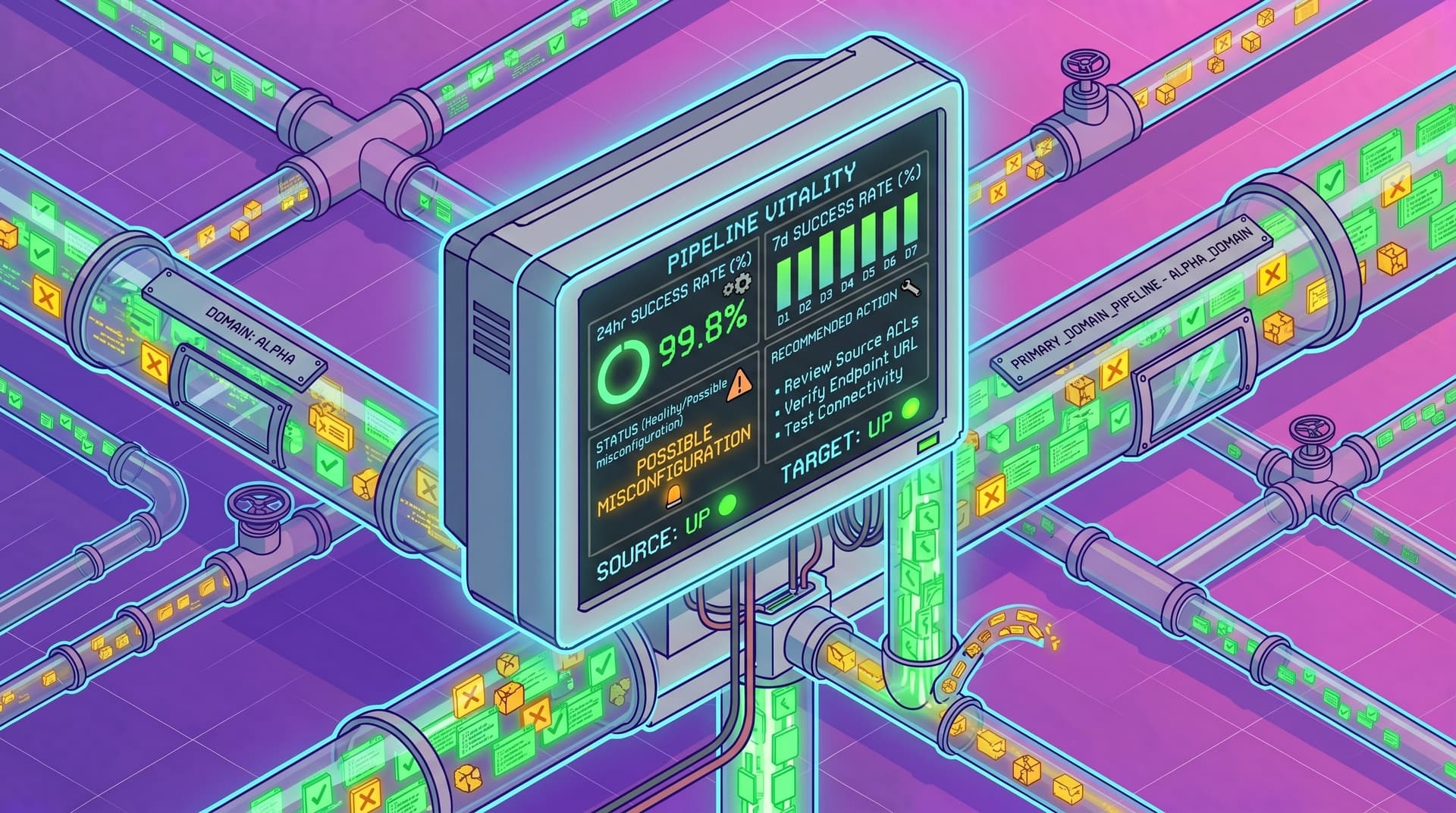
Anti-bot systems now evolve in minutes, not weeks. Discover why automated, self-healing scraping systems are essential to survive the 2026 data arms race and how to adapt.
by
How web data turns e-commerce listings into retail intelligence
by
The seven habits of highly effective data teams
by
Dawn of the autonomous data pipeline
by
Most Recent
Announcement
QA: Web scraping at scale, anti-ban and legal compliance
Use case
Price Intelligence With Python: Scrapy, SQL, And Pandas
Announcement
Summary: The Web Data Extraction Summit 2019
Use case
Get News data extraction at scale | Zyte Automatic Extract
Use case
Gain a competitive edge with product data
Use case
Four popular use cases for online public sentiment data
Announcement
The first-ever Web Data Extraction Summit presented by Zyte
Handling Bans
Python Requests Proxy Module | How to use proxies
Handling Bans
How To Set Up A Custom Proxy In Scrapy
Leadership
GDPR: Public and Personal Data Update
How To
How to design a well-optimized web scraping solution
How To
Accessing the technical feasibility of your web scraping project
As you know we held the first-ever Web Data Extraction Summit last month.
In this article, I will guide you through a web scraping and data visualization project.
The Web Data Extraction Summit was held last week, on 17th September, in Dublin, Ireland.
A huge portion of the internet is news. It’s a very important type of content because there are always things happening either in our local area or globally that we want to know about.
Product data—whether from e-commerce sites, auto listings, or product reviews—offers a treasure trove of insights that can give your business an immense competitive edge in your market
The manual method of discovery for gauging online public sentiment towards a product, company, or industry is cursory at best, and at worst, may harm your business by providing incorrect or misleading insights.
The range of use cases for web data extraction is rapidly increasing and with it the necessary investment. Plus the number of websites continues to grow rapidly and is expected to exceed 2 billion by 2020.
Configuring and using proxies is not easy, especially when sending HTTP requests.
One common misconception about scraping personal data is that public personal data does not fall under the GDPR.
In the fifth and final post of this solution architecture series, we will share with you how we architect a web scraping solution, all the core components of a well-optimized solution, and the resources required to execute it.
In the fourth post of this solution architecture series, we will share with you our step-by-step process for evaluating the technical feasibility of a web scraping project.