AI
Articles from the Zyte blog about AI.
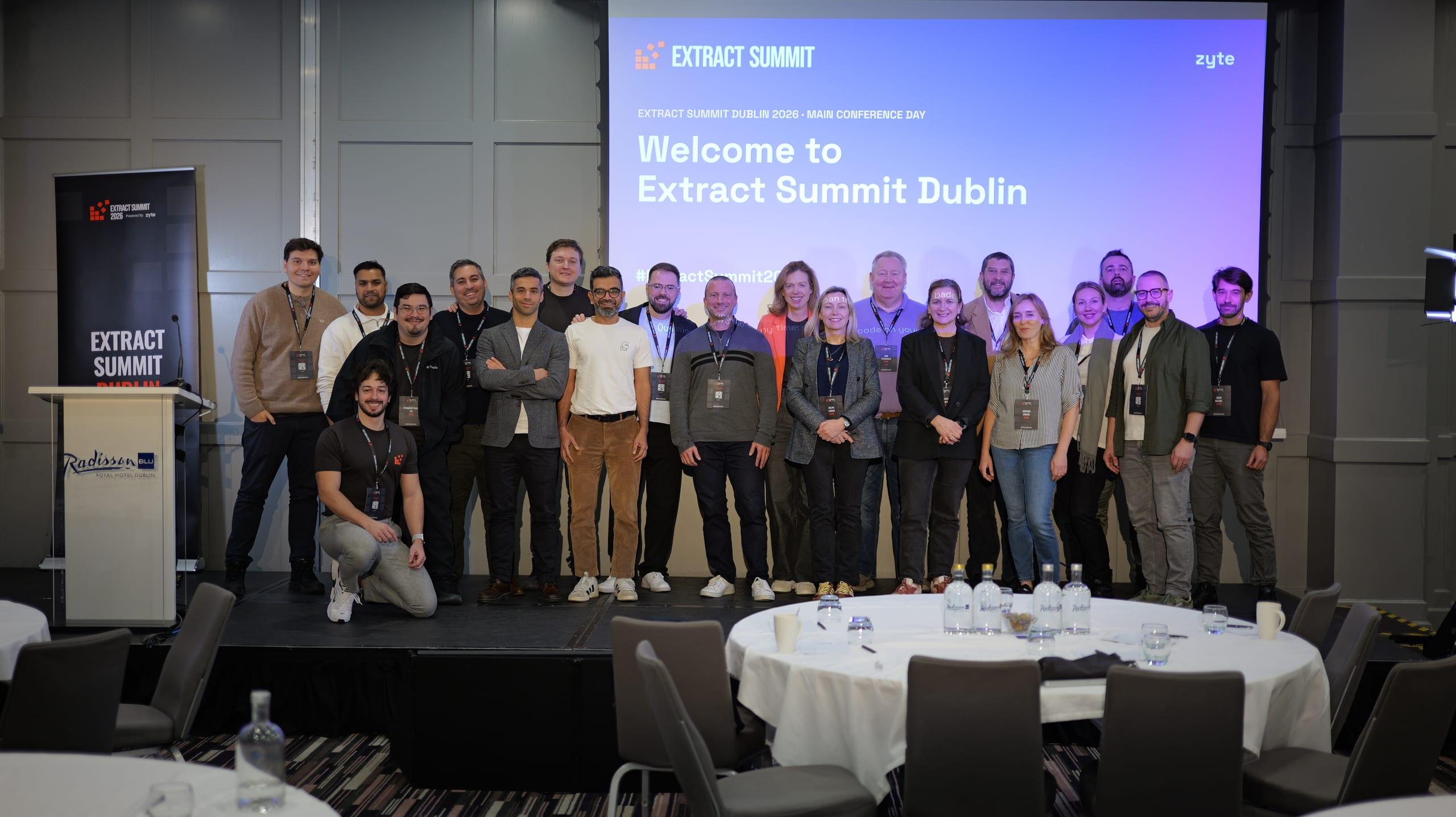
Five takeaways from Extract Summit Dublin
AI is making scraping code cheaper to write. Extract Summit Dublin explored the harder work that remains: access, infrastructure, maintenance and trust.
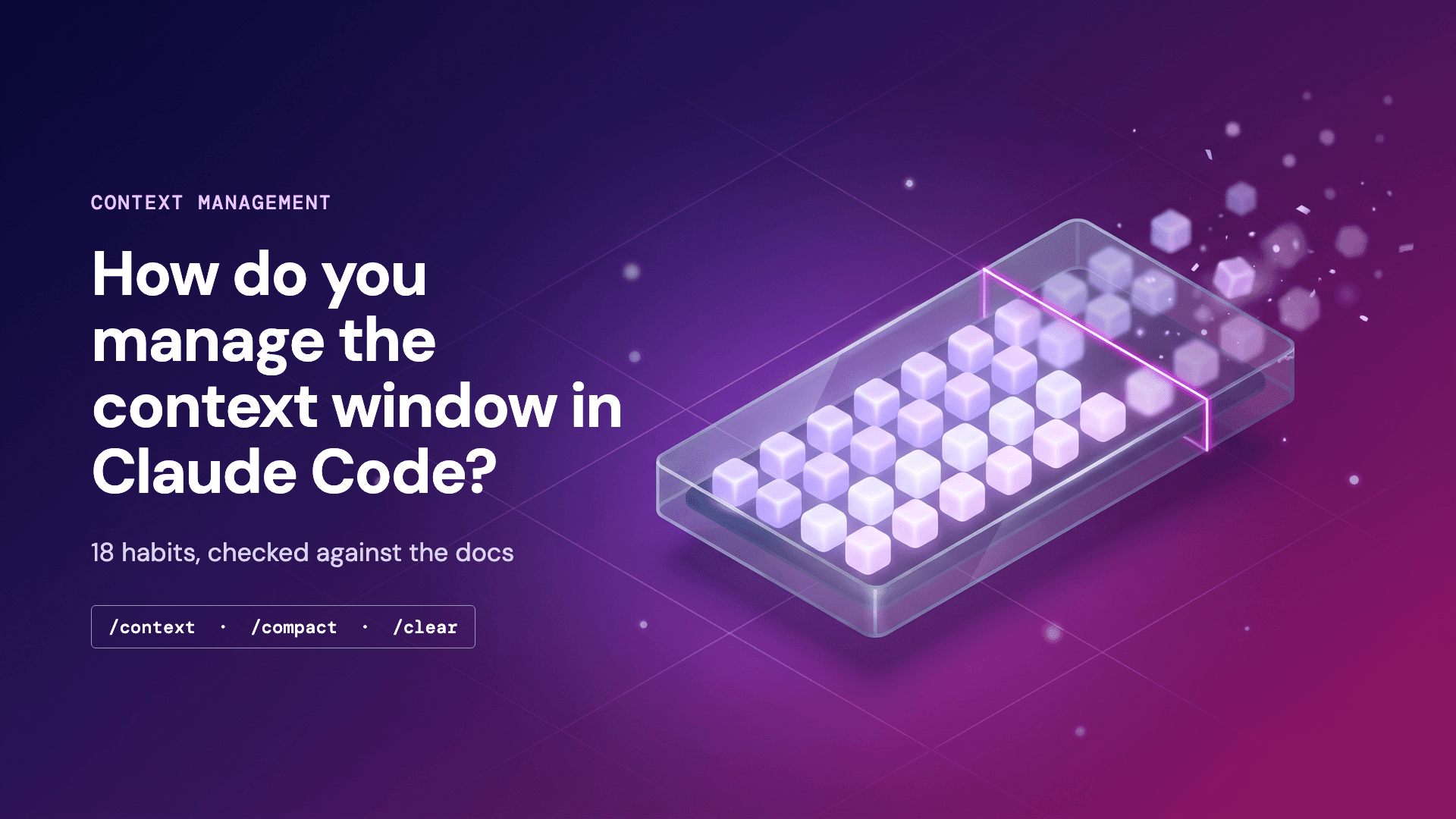
How do you manage the context window in Claude Code and other coding agents - like a ninja
Claude Code rarely runs out of context now, but you still pay for what you carry. 18 habits checked against the docs: /compact, /clear, caching, MCP.
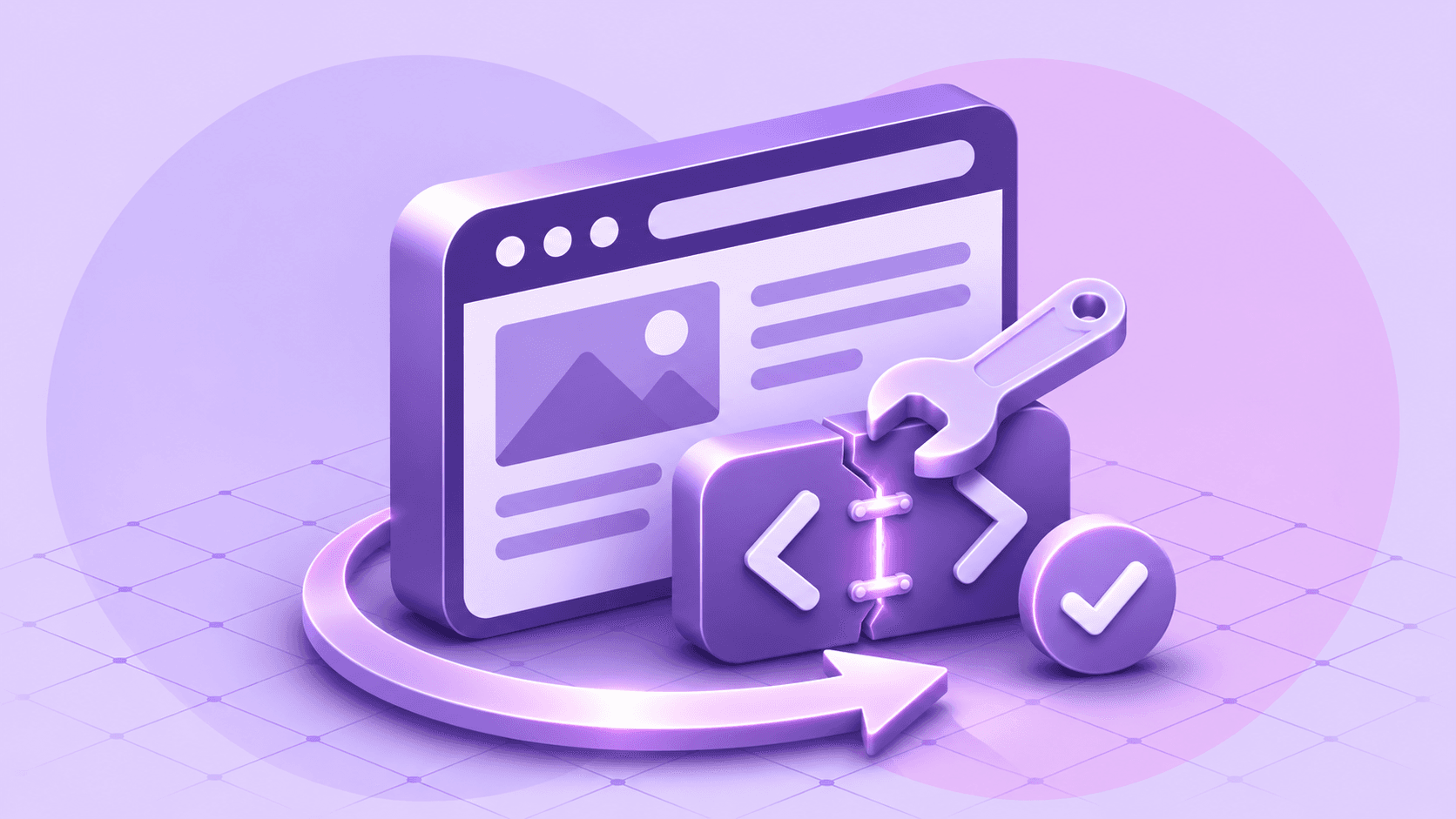
What is a self-healing web scraper?
A self-healing web scraper detects when a site change breaks extraction, repairs the code within limits you set, proves the fix with tests, and escalates when it can't. What it fixes, what it doesn't, how the loop works and what a repair costs.
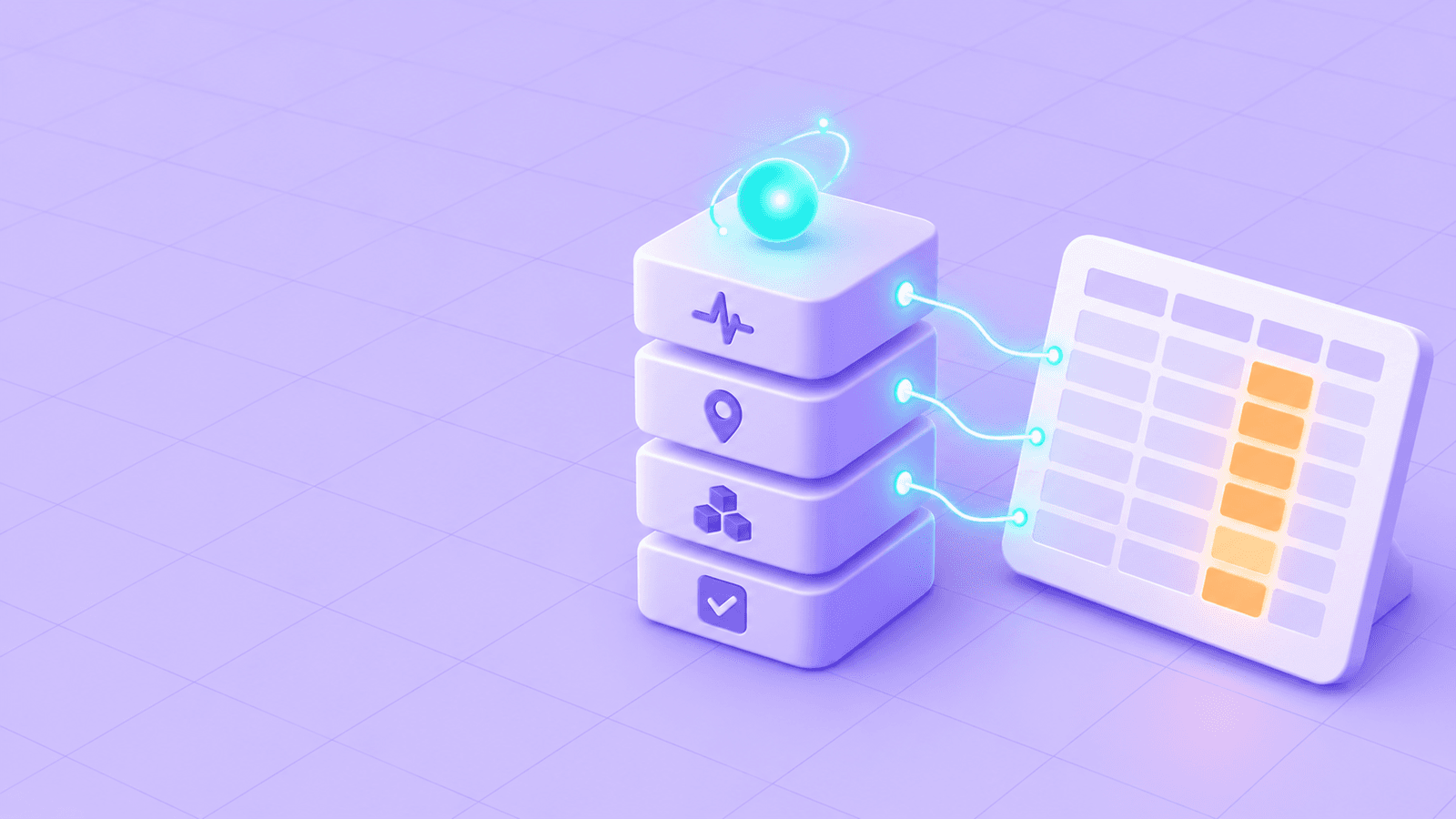
Self-healing scrapers: four things to put in place before an AI agent fixes your spiders
What decides whether a self-healing scraper's repair is any good: detection during the crawl, a specific failure report, extraction code the agent can target, and tests that can fail.
Web Scraping for RAG: Build a Reliable Pipeline with Zyte API, Qdrant and LangChain
Build a RAG pipeline that survives bot blocks and JavaScript pages: fetch LLM-ready Markdown with Zyte API, gate bad pages, and test it before deploying.
12 things I use Zyte MCP for, ranked, with prompts and rules you can copy
What can you use Zyte MCP for? 12 uses, 11 tested, ranked, each with a copy-paste prompt, a CLAUDE.md rule, and a skill idea.
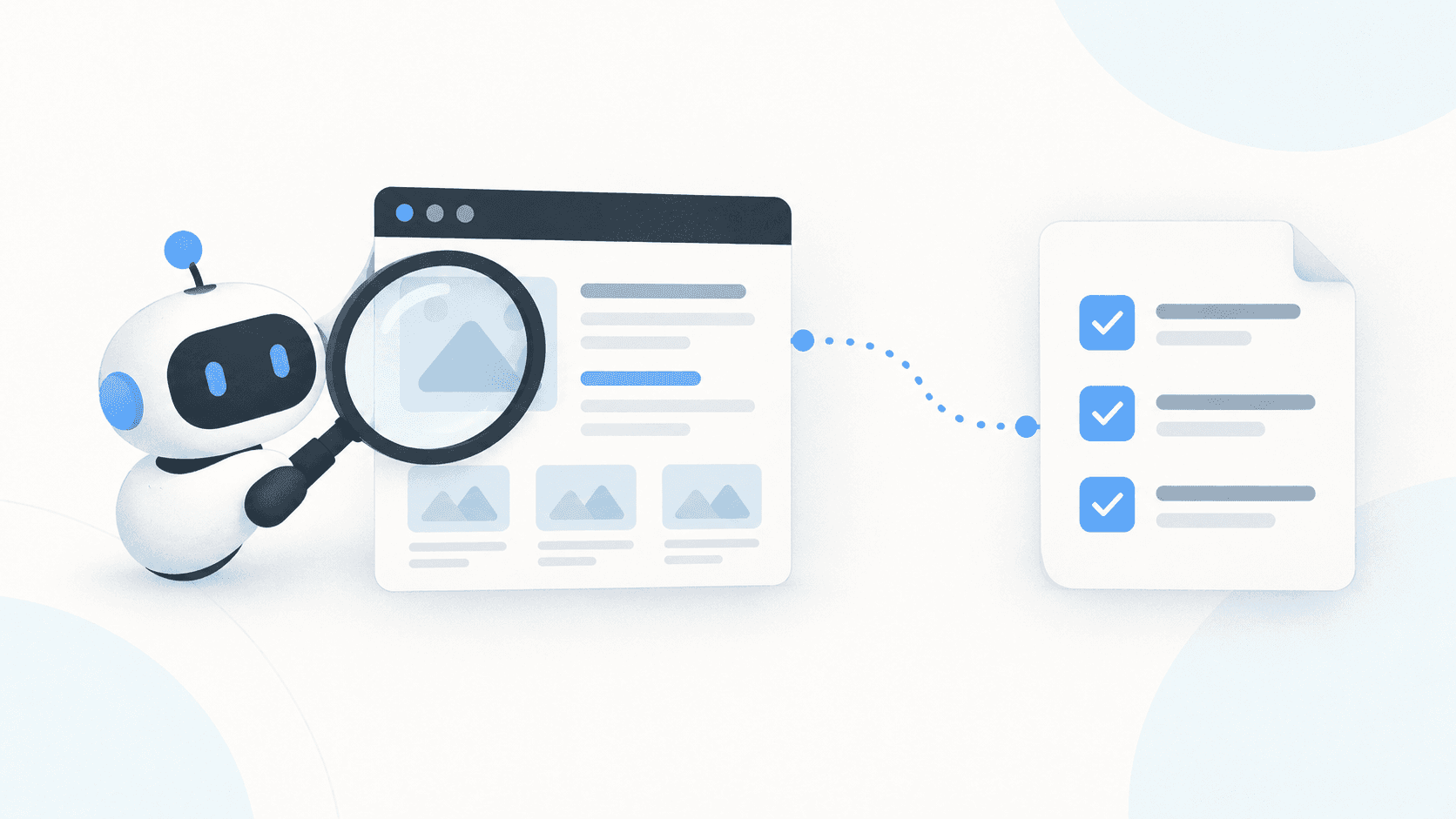
How I use Zyte MCP to plan web scrapers
Zyte MCP lets my AI agent investigate a site before I write the scraper, so I can decide where the data should come from, compare an API with the rendered page for missing fields, and end up with a crawl plan I can act on.

Self-healing spiders: letting an agent fix your Scrapy crawl, with a lid on it
Two demos from our Extract Summit Austin workshop: an agent repairs a Scrapy spider after a site redesign, then heals a live crawl mid-run through Spidermon and the Scrapy MCP, with the measured costs and the mistakes that shaped the design.
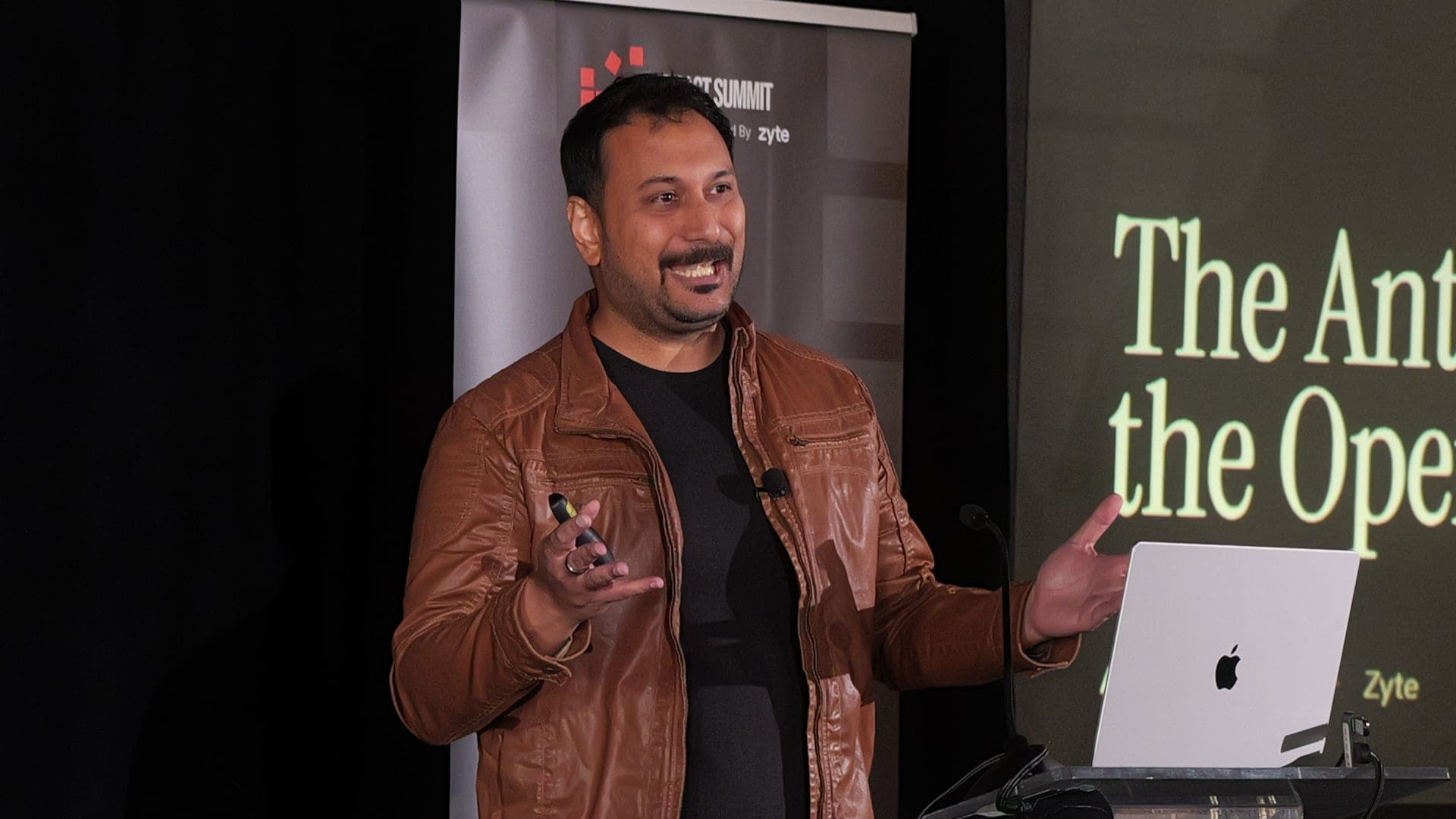
The anti-ban arms race: Agentic traffic and the fight for the open web
As AI agents transform how we interact with the web, anti-bot systems threaten to fence off the digital open range.
How to convert a website to Markdown for AI: 7 methods compared
Seven realistic ways to turn web pages into clean Markdown for AI - what each method covers, where each breaks, and how to choose for training, RAG and agent pipelines.
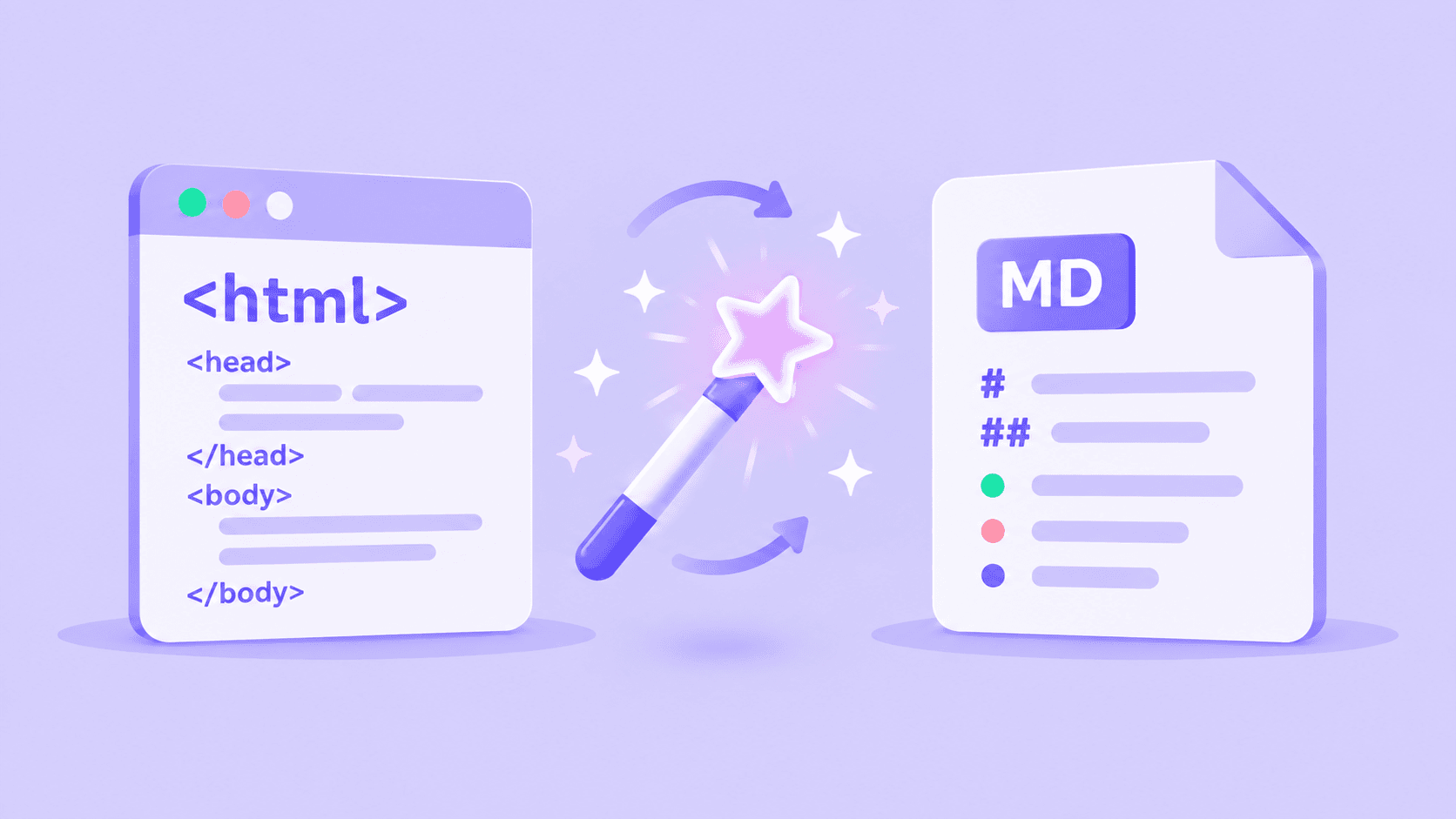
Train AI on industry-leading Markdown with Zyte’s new extraction mode
Zyte API can now extract a web page’s main content directly as clean, structured Markdown for AI systems, RAG pipelines and developer workflows.
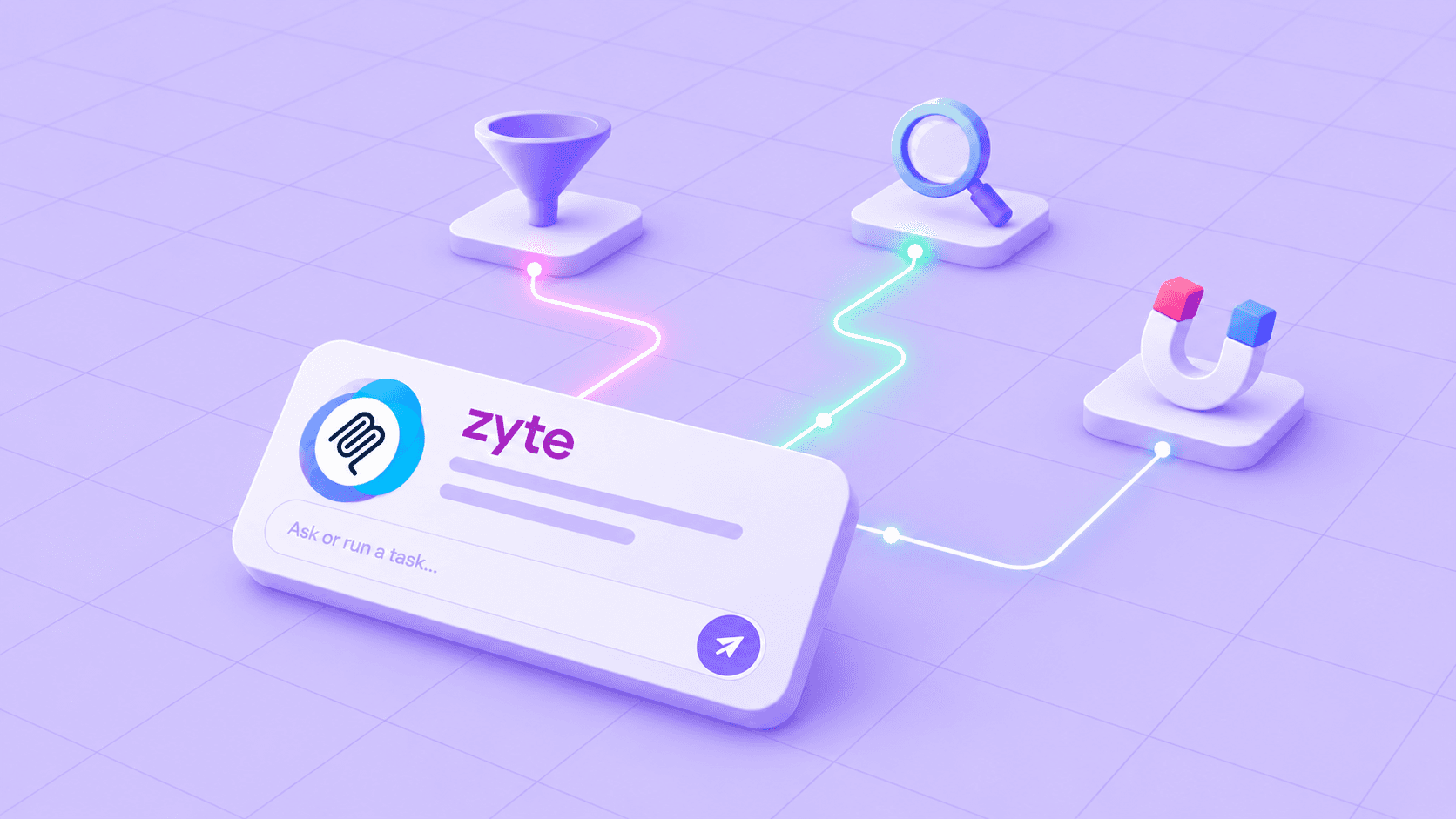
Introducing Zyte MCP: Powerful web data gathering for your agent
Zyte MCP brings live web access, structured extraction and Scrapy Cloud operations into coding agents such as Claude Code, Cursor and Codex.
More articles on AI
- Stopping a crawl when the data stops looking real with Jev
- Give your AI agent a browser: search, compare, and check product availability with Zyte CDP
- Harness Engineering #3- Headless mode: the minimal agent harness
- GPT-5.6, Fable 5, and GLM-5.2 entered a bar “crawl” and got hit by The Rate Limit
- Treat your AI skills like software, starting with evals
- The best agent skill is the one that says the least
- My personal agent setup: the architecture that runs my household and my DevRel work
- What's becoming of web scraping developers in the age of AI agents?
- Why 10 million tokens won’t save your AI agent (and what will)
- Are programming practices relevant anymore?
- Is your AI coding assistant stuck in the past?
- Data in 2026: Bets and forecasts from web experts
- Scraping a synthetic web: Dead Internet Theory meets web data extraction
- Why your agent deserves a wallet
- Agentic web scraping: Hype, reality and what happens next